Off-grid living has long been a dream of mine. I appreciate the independence, the self-sufficiency, and the ability to create my own destiny, on the canvas of my home.
However, although it is a romantic concept, off-grid living is definitely not for the faint-hearted!
The romance is the image of a brightly burning log fire, with a delicious hot meal cooking over the flames, and stars twinkling in the clear night sky above a cosy hut. Or spending long idyllic days in the garden, chopping a leaf here and a flower there, and generally pottering about.

The reality is very different, and if you live in the town / city, or if you have never been camping, the reality can come as quite a shock. When people decide to change their lives, and go off-grid, it can be the equivalent of checking into a boot camp.
I have lived in a few off-grid situations, and I have been stable in my current off-grid dwelling for a couple of years now. I have learned a lot about the physical side of this life, and also the mental and psychological sides, which are just as important.
If you are wanting to escape the matrix and follow your off-grid dream, I would wholeheartedly encourage you, whilst offering the following pearls of wisdom:
Do your homework! Everybody says this, and the reason they all say it, is because it is true and very important. It is also true that you don’t know what you don’t know, and it is impossible to prepare for every single contingency. Learning and growth occurs through trial and error, but there are some trials which are extremely difficult, and can possibly be avoided. If you are wanting to follow this lifestyle, it is a good idea to start talking to as many people who are already doing it, as you can. Ask them about their good and bad times, and what they wish they had known before they started.
If you have not been scared off by all your research, it is time to start thinking about how you want to live, and why. What is important to you? Is it privacy and space, or is it the opportunity to downsize and connect with others? The desire to live a life more connected with nature? or perhaps the opportunity to be more self-sufficient and live off your land? Whatever your reason, make sure to give some time to thinking about it, and thinking about how you wish to express it in your off-grid lifestyle.
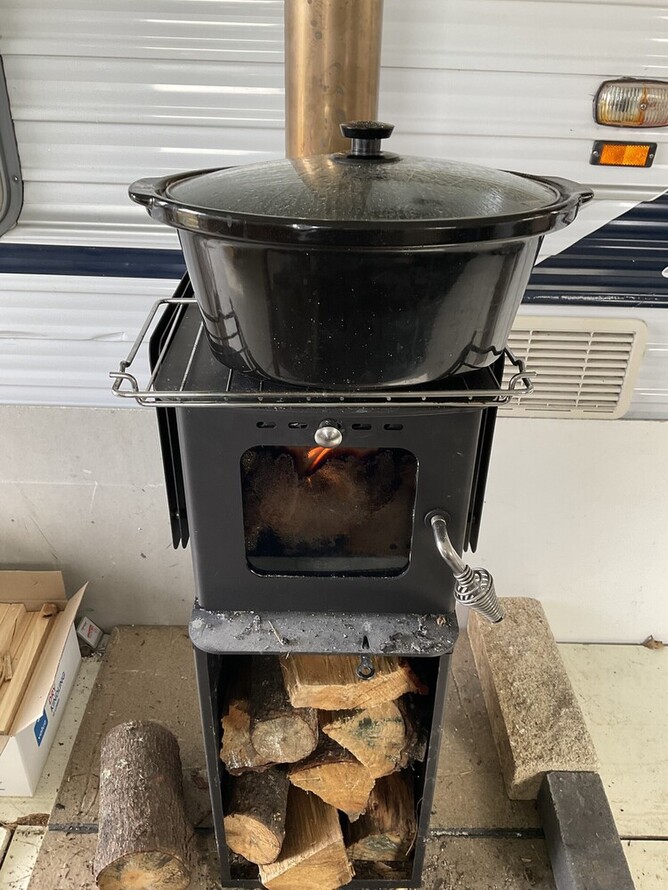
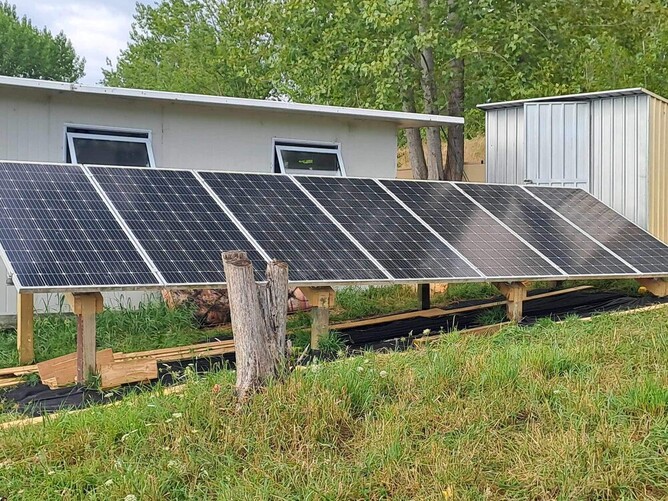
Get fit now! Transitions are generally difficult and stressful. If we are not physically fit enough to cope with the transition process, this adds another stress. However, we are in control of our health and fitness, and we can make choices which help us to become physically fitter and healthier. Off-grid living is much more physically demanding, and much more outdoor-based, than living in town, and it takes time to develop the muscles and skills required. It is a good idea to get fit by doing off-grid activities as well, to get into the mentality of doing these tasks on a daily basis, before you have to do them under the pressure of your own reality.
The worms don’t care what you look like…. If you are a person who needs to be bathed sterile, groomed to perfection, snipped, clipped, and immaculately coiffed before you set foot outside your bedroom door in the morning, chances are that off-grid living is not for you. You probably won’t have a hair dryer - heck, you might not even have a bathroom to begin with! The reality is that there is a lot of mud, rain, wind, dirt, bugs and leaves. If you don’t like that, you definitely will not like composting loos.
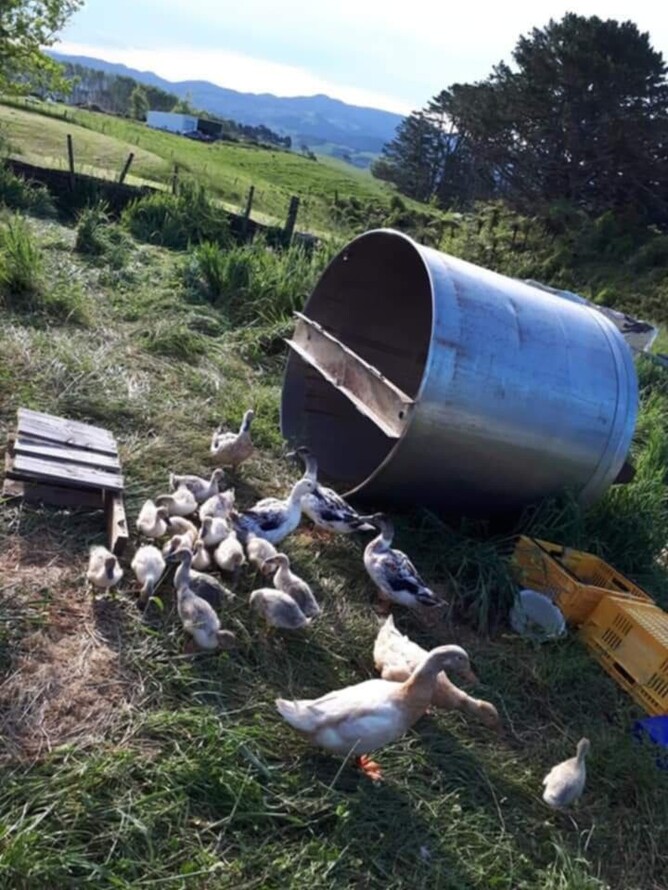
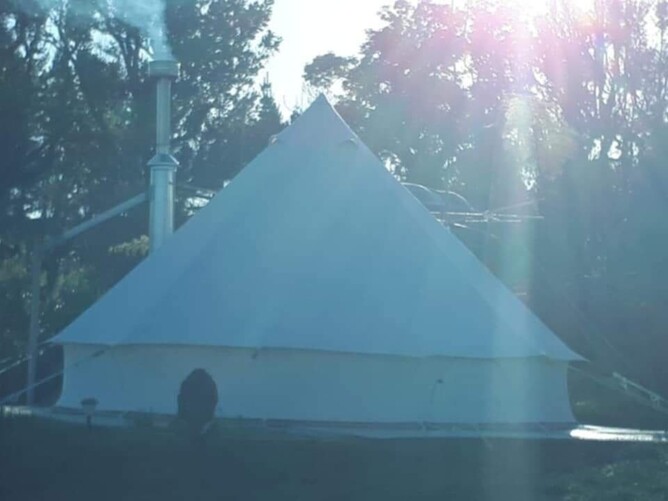
Develop mental resilience. Living off-grid is a 24-hour-a-day deal, so it is a good idea to experience it first, and decide whether you actually like it, before you go boots-in and commit your life to it. It is a good idea to get to know your stress triggers, and your coping strategies, especially when under pressure. There is nothing like having to go out and do repairs at 2am, in a cold rainstorm, to develop character.
Work as a team. They say that it takes The Village People to raise a child, and the same is true for all projects. No man is an island, and it is always a good idea to have a good team around you. You need to be able to trust each other, rely on each other for help, support and sometimes entertainment (!), and you need to be on the same page in terms of values and actions.

Don’t blow your budget. When we think of off-grid living, generally it is in terms of various equipment, eg solar panels, water tanks, woodburners, and composting toilets. Off-grid living is very on-trend and there are lots of gadgets and tools to spend your hard-earned money on. But do you really need them all? When starting an off-grid project, think about your space and which basics you really need in the first instance. Think about how you will shelter yourself, feed yourself, store food and possessions, prepare food, heat food and water, clean yourself and your space, dispose of food, household waste, human waste & waste water, and keep warm / dry. Remember that it might be romantic to be cooking over a camp stove in summer, but do you want to be doing that in the middle of a winter rainstorm? Buy what you need, but make sure to keep money aside for the inevitable ‘rainy day’. You won’t need all of the things straight away, and it is good to learn how to manage the essential tools that you do need - this is a big enough job!
Go off-grid in the spring. Here in Aotearoa New Zealand, we are blessed with a reasonably temperate climate, which makes it easier to think about off-grid living - it can be a bit like long-term camping or glamping to begin with. There is a lot to do in the early days, especially if you are farming food or animals. The long light days, and the warmer weather, make it easier, and mentally more pleasant, in the early stages of an off-grid project. It also gives you a good six months to get to know your off-grid property before the challenging weather sets in. Make sure to be over-prepared for your first winter - save money, store food that you have grown, cover everything and tie everything down, windproof and waterproof everything 3 times more than you think you will need, especially if you have moved to a new climate. Have a contingency plan for when equipment breaks down, weather events happen, resources run low. It is a good idea to develop healthy relationships with your neighbours, so that you can help each other out during hard times.
Develop lots of things to do in your downtime. There can be a lot of downtime in an off-grid living project, when the weather is bad and there is not a lot to do. You might be thinking about a generator to support your solar system, or you might be doing research for the next season. It is important to think about light entertainment as well - they say that the team that plays together, stays together, and this is very true. Make time for fun and games, and also make time to follow your soul and do things that were not possible in your previous existence.
Make time for time out. Even if you are living your best life in your off-grid dwelling, it is important to take time out and get a change of scenery. Everything can get stale over time; people can get complacent in their way of thinking and acting; and this can lead to mistakes or misjudgement. It also leads to missing out on new innovations which could be very helpful and interesting. Constant learning keeps us young, and an off-grid living project definitely requires a youthful energy to keep up with it!
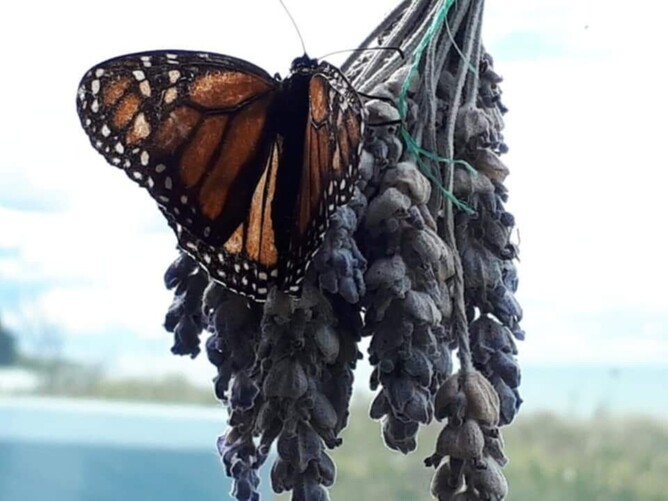
And finally, if you have made it into an off-grid living space, remember to celebrate this! It is a very big deal to actually do it, and it is a very good idea to acknowledge all the progress you have made in this time.